
12 Things That Keep You Alive Underwater (A No-Nonsense Guide to Safe Diving)
Diving is safe when you do it right. Here are 12 practical habits that separate smart divers from statistics, from a dive shop that’s been teaching since 2004.
Diving is safe when you do it right. Here are 12 practical habits that separate smart divers from statistics, from a dive shop that’s been teaching since 2004.
Diving is safe when you do it right. Here are 12 practical habits that separate smart divers from statistics, from a dive shop that’s been teaching since 2004.
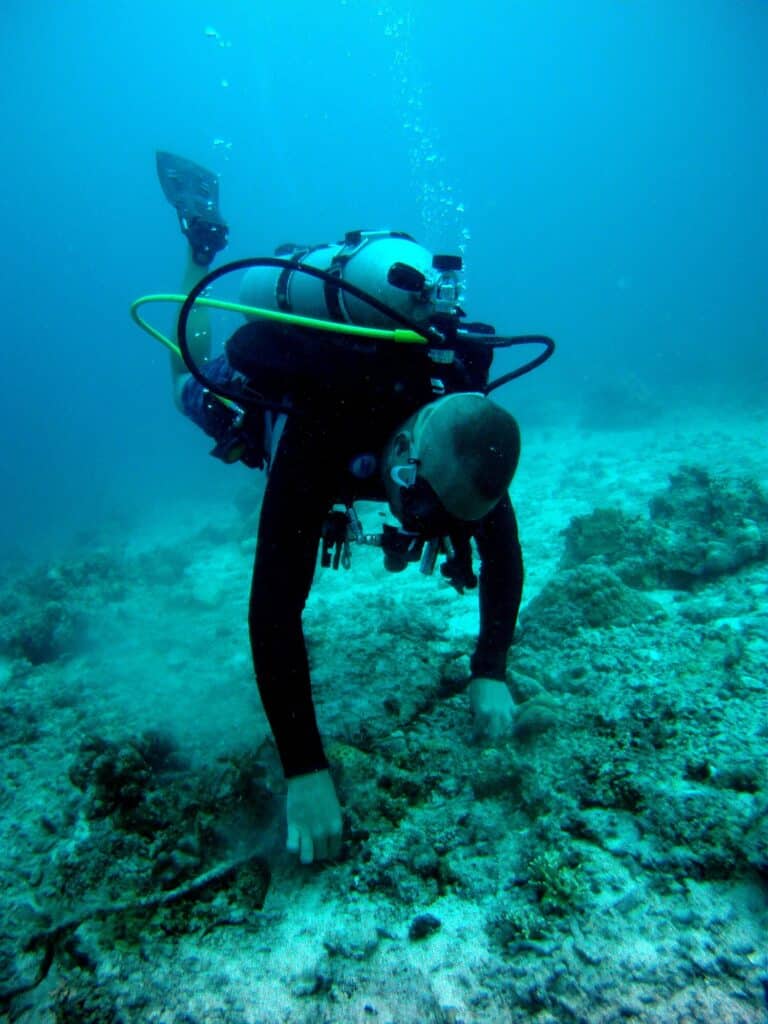
Planning your first trip to Malapascua? Here are 10 things the guidebooks don’t mention, from power outages to the best beach bars to why you should pack light.
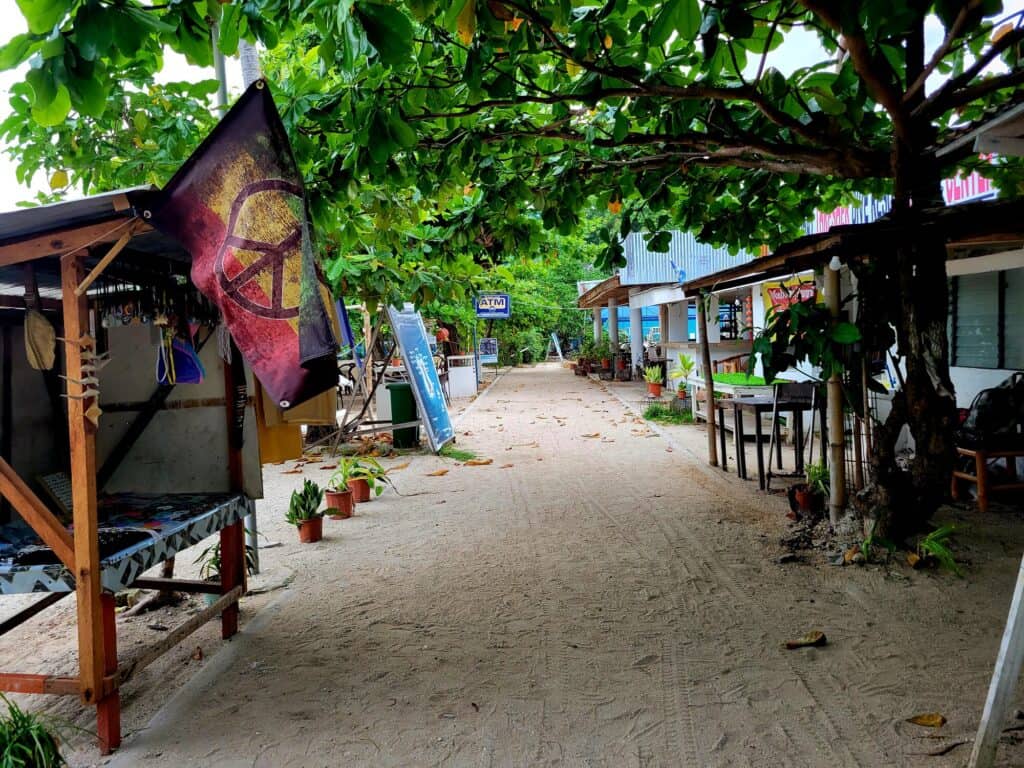
Planning a dive trip to Malapascua on a budget? Here’s an honest guide to what you’ll spend on transport, accommodation, diving, and food, plus tips for getting the best value.
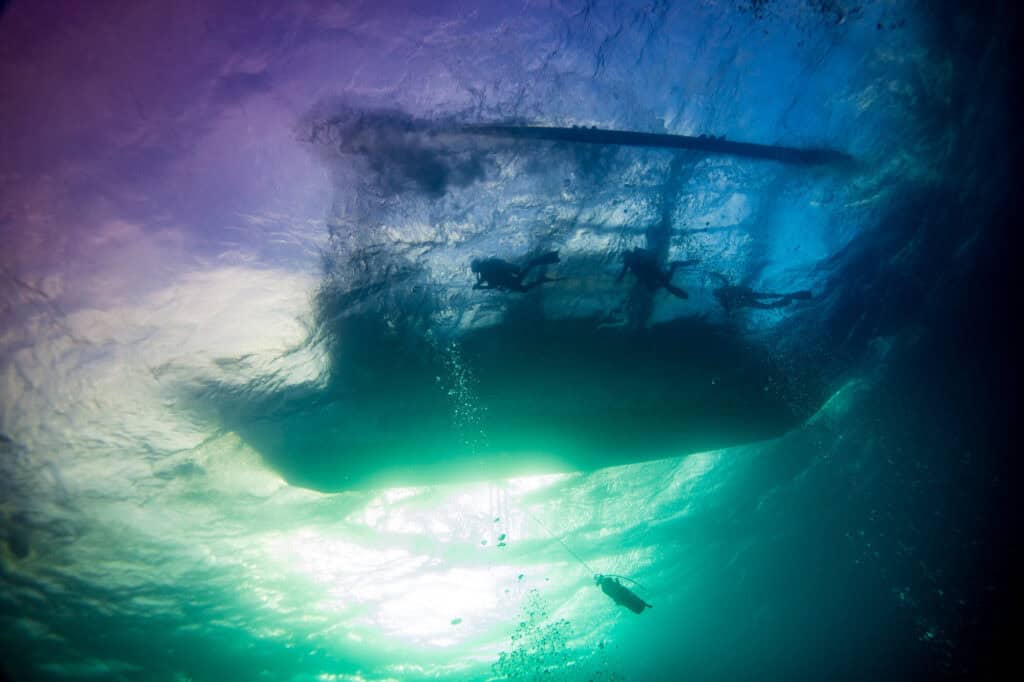
Already Open Water certified? The Advanced course in Malapascua takes two days and unlocks deeper dive sites, the best shark encounters, and night dives. Here’s why it’s worth it.
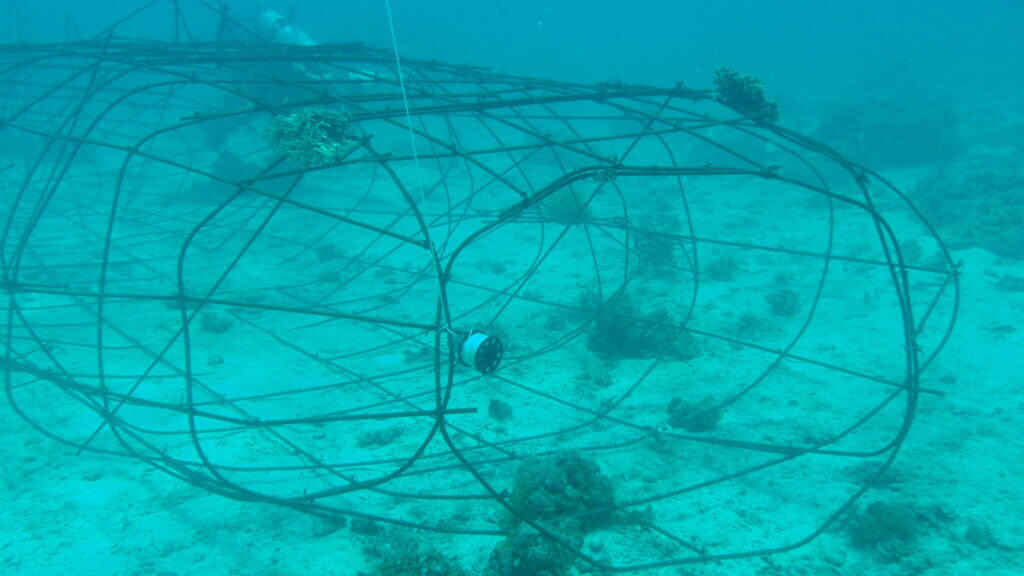
Reef conservation isn’t just a nice idea in Malapascua. It’s what keeps the thresher sharks coming back. Here’s what responsible diving looks like and what we’re doing about it.
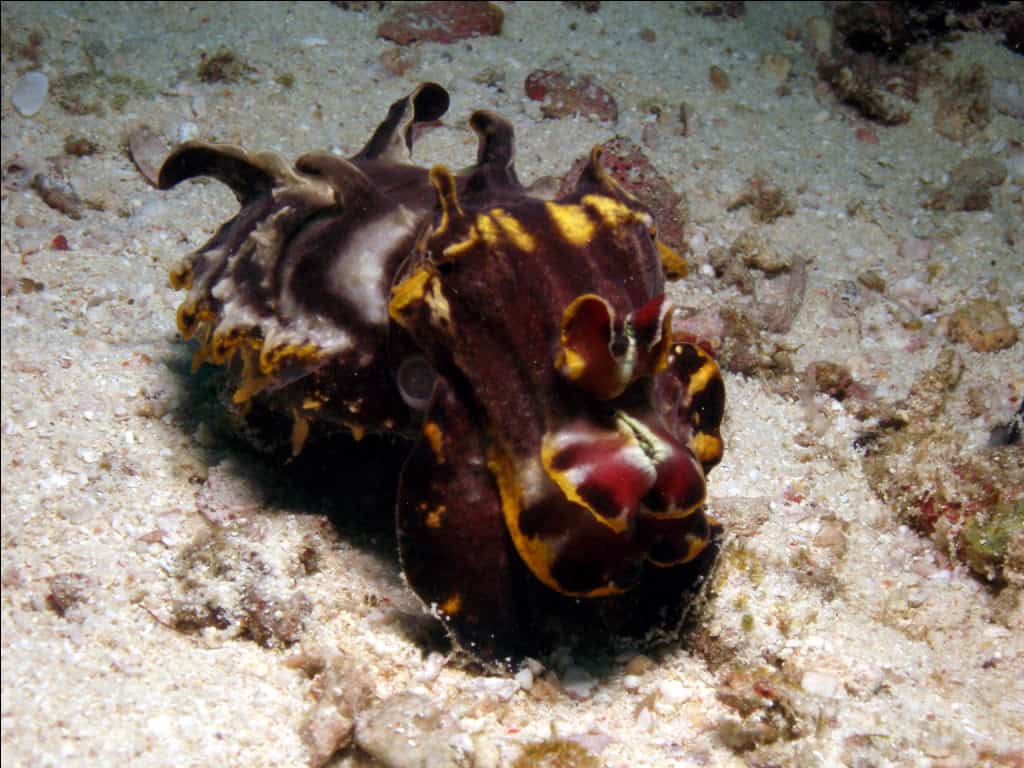
Malapascua is famous for sharks, but its muck diving is world-class. Frogfish, seahorses, blue-ringed octopus, and creatures so camouflaged you’d swim right past them.
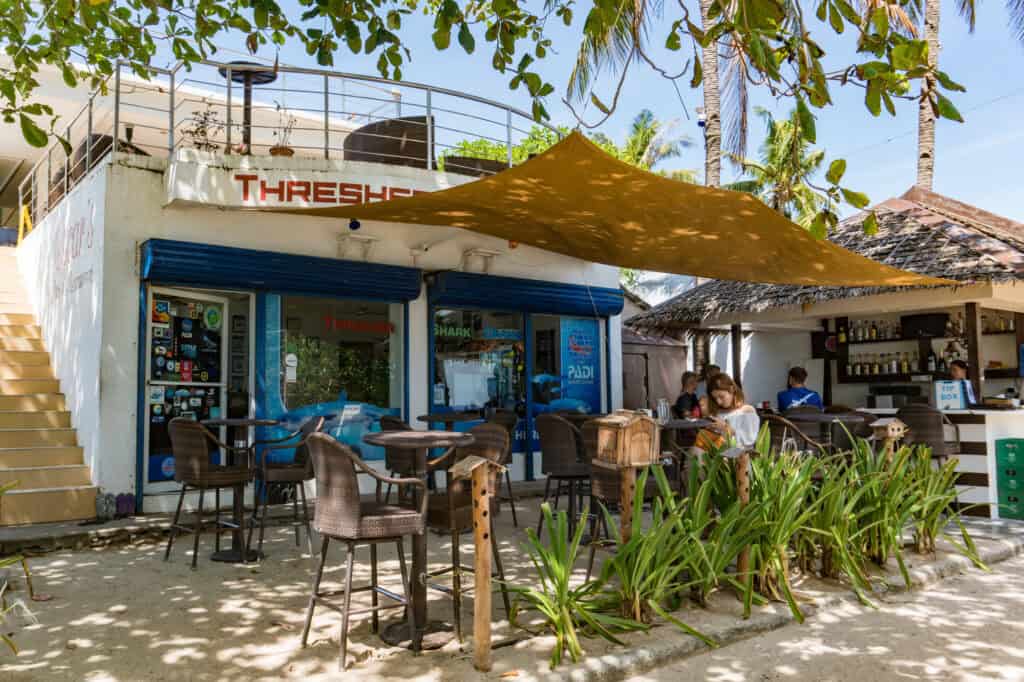
The Philippines has hundreds of dive schools. Here’s why Malapascua consistently ranks as the best place to get your certification, especially if you want your training dives to actually be exciting.
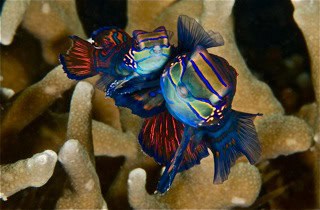
Every sunset, mandarin fish emerge from the coral rubble at Malapascua’s Lighthouse reef to mate. It’s one of the most colourful spectacles in diving, and most visitors miss it.
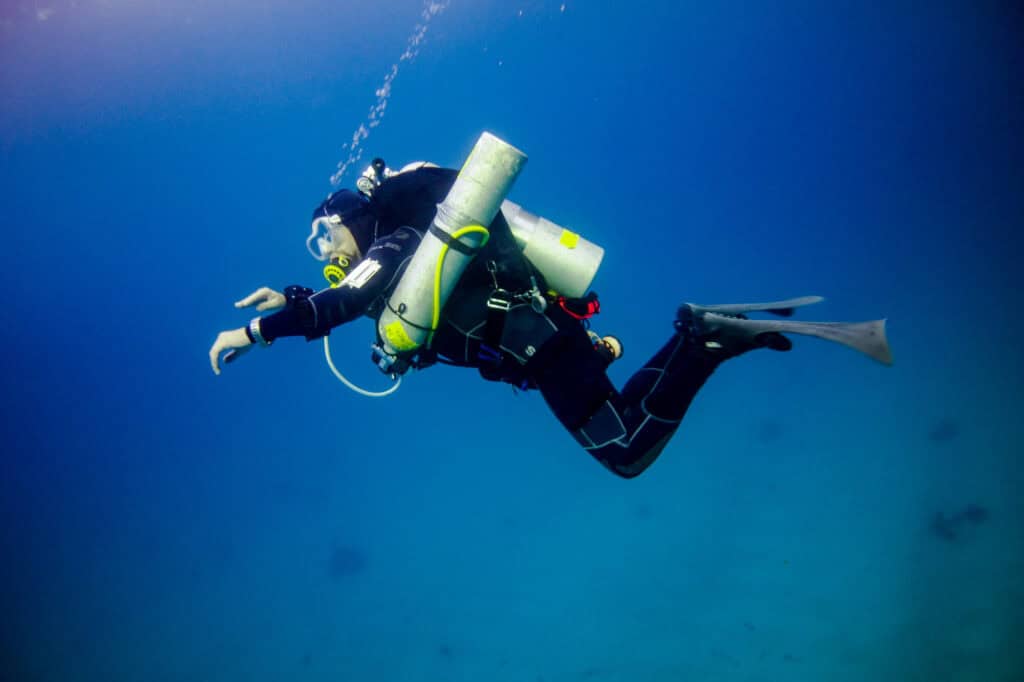
Thinking about learning to dive in Malapascua? Here’s an honest, day-by-day breakdown of what a PADI Open Water course actually involves, no sugarcoating.