
There’s a tension at the heart of dive tourism that nobody likes to talk about too directly. The reefs and marine life that draw visitors are fragile. The visitors, if unmanaged, can damage what they came to see. The trick is getting the balance right.
At Thresher Shark Divers, we think about this a lot. Not in an abstract, corporate-social-responsibility way. In a very concrete “if the reef dies, we don’t have a business” way. Conservation here isn’t charity. It’s self-interest aligned with doing the right thing, which is the best kind of motivation.
We’ve been at this since 2004, and our conservation work has ranged from beach cleanups with 50 volunteers from 9 countries to building Biorock artificial reef structures with visiting school groups. It’s not a PR exercise. It’s part of how we operate.
THE THRESHER SHARKS AND KIMUD SHOAL
Kimud Shoal is the reason Malapascua is on the dive map right now. The thresher sharks visit the cleaning stations because the ecosystem is healthy enough to support the cleaner wrasses and other symbiotic species they rely on. Damage the reef, scare away the cleaners, and the sharks stop coming. Simple as that.
This is why diver behaviour at Kimud matters so much. We brief every diver before every shark dive: no chasing, no touching, maintain distance, control your buoyancy. We limit group sizes. We work with other dive shops on the island to coordinate boat management at the site.
It’s not perfect. There are days when too many boats are at the shoal, or a diver from another group does something careless. But the overall direction is positive, and the threshers keep coming back. Better than ever, in fact.
REEF HEALTH
Malapascua’s reefs took a serious hit from Typhoon Haiyan in 2013. We watched it happen and then we watched the recovery, which has been remarkable in some areas and slow in others. We participate in reef monitoring programmes that track coral cover, fish diversity, and water quality over time. The data helps us identify which sites need rest and which can handle more traffic.
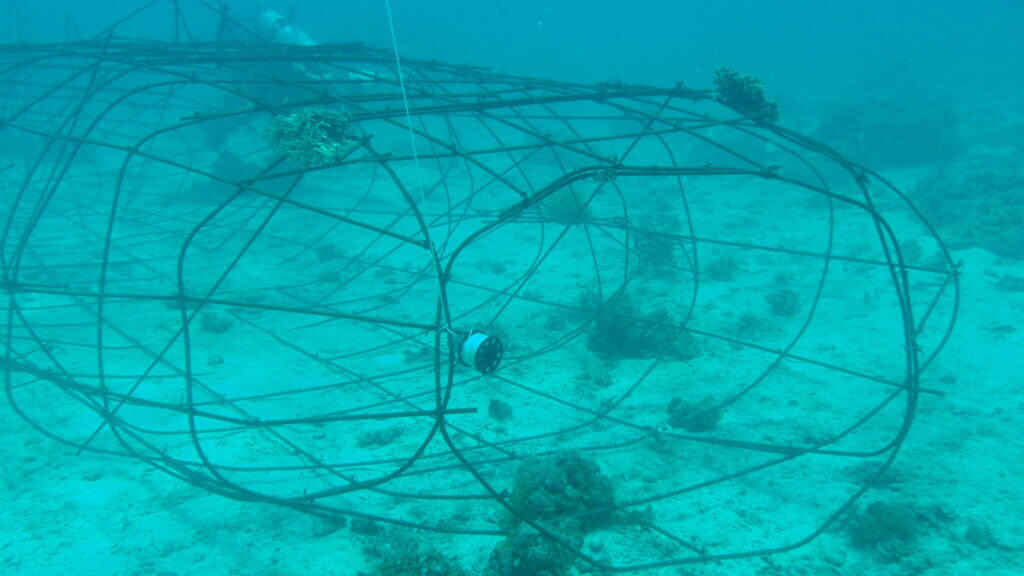
We’ve also invested in coral restoration, building underwater rebar structures in the shape of manta rays and whale sharks, then replanting broken coral onto them. Within three weeks of installation, batfish and cuttlefish had moved in and made the whale shark their home. That kind of result keeps you going.
WHAT YOU CAN DO
As a visiting diver, the single most impactful thing you can do is control your buoyancy. Fin kicks that stir up sand, hands that grab coral for stability, equipment that drags along the reef; these cause more cumulative damage than almost anything else. Good buoyancy isn’t just a skill. It’s an act of respect.
If your buoyancy needs work, ask us. We run buoyancy workshops, and honestly, even experienced divers benefit from a refresher. There’s no shame in it.
Beyond buoyancy: don’t touch marine life, don’t take anything from the reef, use reef-safe sunscreen, and reduce your plastic use on the island. Malapascua’s waste management infrastructure is limited. Every plastic bottle you don’t buy is one that doesn’t end up in the ocean.
THE LONG VIEW
Every dive we run is a chance to show someone why this ecosystem matters. A diver who sees a thresher shark at Kimud and a mandarin fish at sunset goes home caring about the ocean in a way they didn’t before. That’s the real return on investment.
We’re not saving the world. But we’re trying to leave this small corner of it better than we found it.