
Advanced Dive Courses: Taking Your Skills to the Next Level
Advanced Dive Courses: Taking Your Skills to the Next Level
Advanced Dive Courses: Taking Your Skills to the Next Level
September 3, 2024
PADI Continuing Education courses build the skills that Open Water doesn’t cover. Advanced Open Water is the first step (deep dive to 30m, navigation, buoyancy, three electives). Rescue Diver follows. Then specialty courses like Nitrox, Wreck, Photography, and our Thresher Shark Specialty. At Thresher Shark Divers we run all of them, with most students stacking AOW and a couple of specialties into a single trip.
Advanced Open Water (AOW)
The big one. AOW is five adventure dives over two days. Two are required (Deep and Navigation), three are electives you pick from a list. There’s no big written exam – short knowledge reviews per dive.
The big practical change: AOW certifies you to 30 metres. Open Water caps at 18. In Malapascua that means access to Dona Marilyn (32m wreck), the deeper walls at Gato Island, and the outer shoals where the best coral lives.
Most popular elective combinations on Malapascua: Wreck (for Dona Marilyn), Night (for the mandarin fish dive at Lighthouse), and Peak Performance Buoyancy (the single skill most divers actually need to work on).
Rescue Diver
The course every diver says was the hardest, most useful, and the most fun, in that order. Rescue teaches you to spot problems before they happen, manage stressed or unconscious divers, and run a search pattern. Two days plus a day of theory.
If you only do one course beyond AOW, do this one. It changes how you dive.
Specialty courses
Specialties are short focused courses on one topic. Most are two dives. Pick whichever match the diving you actually want to do.
- Enriched Air Nitrox. The most useful specialty. Lets you stay down longer at typical recreational depths by lowering your nitrogen load. Theory plus a couple of dives with a different gas mix. If you’re on a multi-day trip, Nitrox pays for itself fast.
- Wreck Diver. Wreck-specific skills, mapping, line work, basic penetration. Pairs with Dona Marilyn nicely.
- Deep Diver. Extends your limit to 40 metres. Mostly for divers planning trips where deeper wrecks or walls are the draw.
- Underwater Photographer. Composition, exposure, getting close to your subject without trashing the reef. Bring your own camera or rent one.
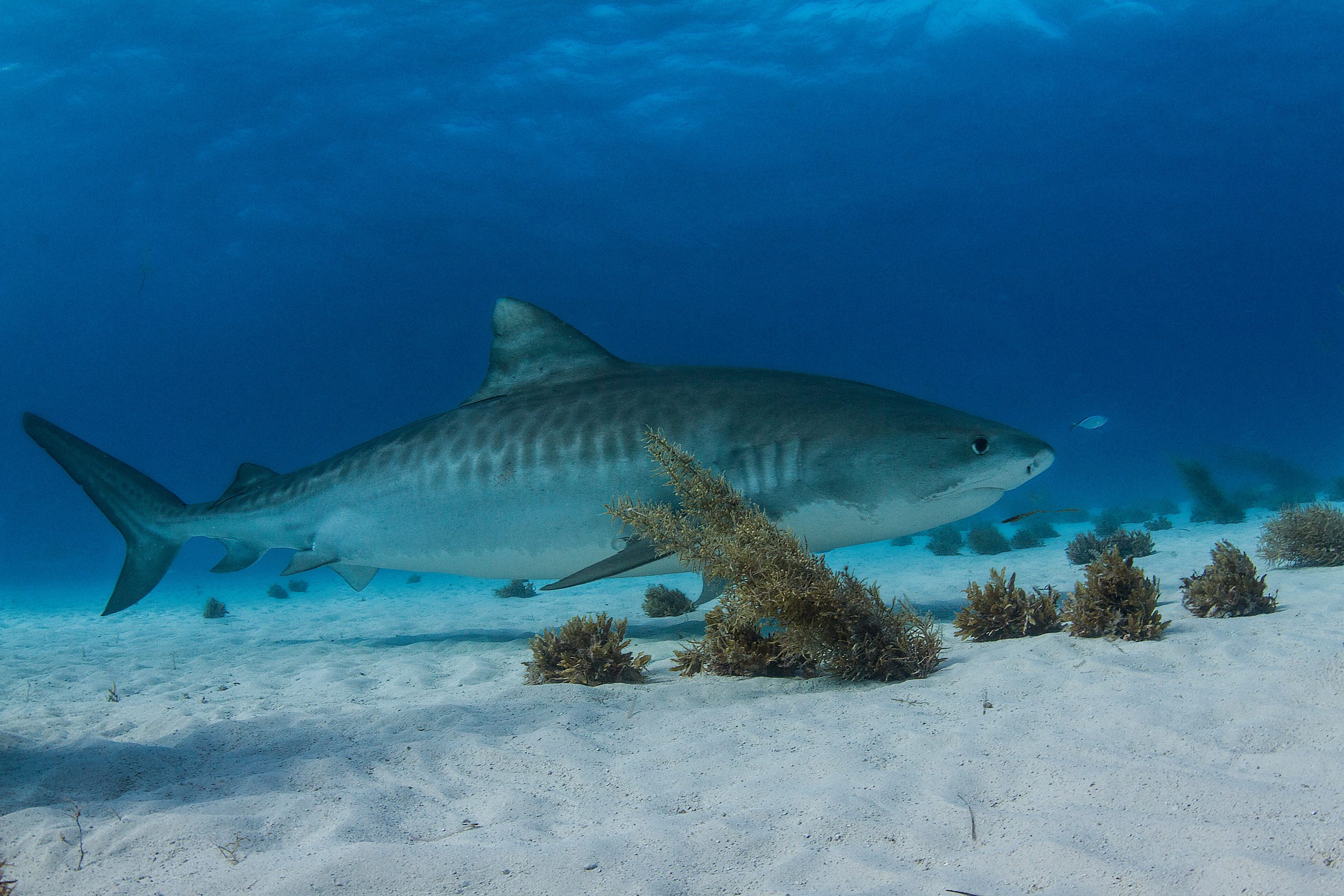
- Thresher Shark Specialty. Our own course. Two dives at Kimud with a behaviour briefing and a follow-up session on shark biology and conservation. Designed around what divers actually want to know about the threshers.
- Search and Recovery, Drift, Boat, Multilevel… PADI offers around 20 specialties. Most of them are useful for somebody. Ask if you have a specific dive type in mind.
Master Scuba Diver
Not really a course, more a recognition: AOW + Rescue + 5 specialties + 50 logged dives. The highest non-professional rating in PADI. Worth aiming for if you want to keep moving without going pro.
Going pro: Divemaster + Instructor
For divers who want to teach or work in the industry, the path runs Divemaster (4-8 weeks at TSD) then the IDC (about two weeks plus an external Instructor Examination). Both run year-round on Malapascua. We have one of the most experienced instructor teams you’ll find anywhere.
Stacking courses on one trip
Most students get more done than they realise. A common stack: AOW + Nitrox + Thresher Specialty in 5-6 days. Or AOW + Rescue + EFR over 6-8 days. Talk to us about what fits your time and budget – there’s almost always a way to bundle.

About Andrea Agarwal
Andrea Agarwal is a PADI Master Instructor and the founder of Thresher Shark Divers on Malapascua Island, Philippines. Originally from the UK, she moved to the Philippines in 2003 and built what is now one of the largest and most respected dive operations in the country. TSD is a PADI 5-Star Career Development Center (CDC) and the only PADI TecRec facility on Malapascua. Andrea has spent over 20 years diving Malapascua's waters and has been instrumental in developing its reputation as the world's best destination for daily thresher shark encounters.