

Best Time to Dive Malapascua: From Two Decades of Experience
July 7, 2025
This is the question we hear most after “will I see a shark?” The short answer is: thresher sharks are there every day of the year, so there’s no bad time, but there are trade-offs.
Malapascua sits in the tropics. Water temperature barely fluctuates (28 to 30 degrees Celsius for most of the year, and 26 to 27 degrees in January and February). The thresher sharks are at Kimud Shoal every day of every month of the year. You can dive 365 days a year here, with only the occasional day cancelled due to the weather. So the “best” time depends on what matters most to you.
In short: March to May has the best weather. January to June is usually great as well. August and September can have bad weather, and October to December tends to be a little worse. Direct typhoon hits are very few; more often a storm elsewhere just means rain in the evening. It varies from year to year, and the threshers are there with a sighting rate of about 99% whatever the month.
If you have not yet decided where to dive, start with where to go for your next dive holiday.
THE BEST WEATHER: MARCH TO MAY
This is peak conditions. Visibility at Kimud regularly hits 20 to 30 metres. The sea is calm, the sky is blue, and the water is warm even by Malapascua standards. If you care about underwater photography or just want the best possible chance of crystal-clear shark encounters, this is your window.

The trade-off: it’s busier. More divers, higher accommodation prices, and the island has a livelier (read: noisier) atmosphere. Book well in advance for March, April and early May. March is statistically Cebu’s driest month of the year, averaging just 20 to 50mm of rain.
THE SHOULDER MONTHS: NOVEMBER TO FEBRUARY
The Amihan season brings the northeast monsoon, which means slightly choppier seas and reduced visibility on some days (10 to 15 metres is common). But here’s the thing: the threshers don’t care about visibility. They show up regardless. And fewer tourists, at least until Christmas, means smaller dive groups, better availability, and lower prices on accommodation.
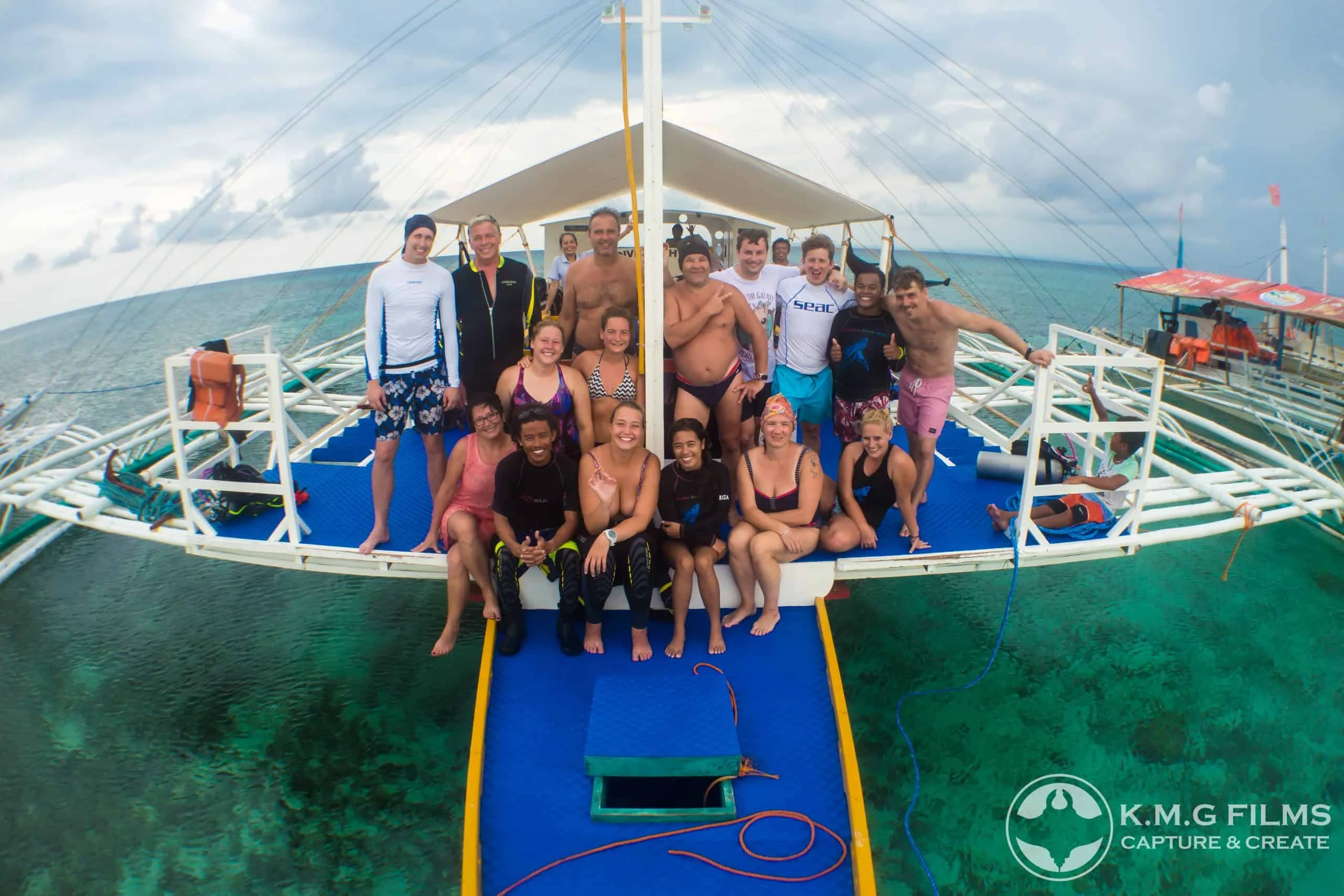
December and January can get windy, and occasionally a dive site will be inaccessible due to swell. But “occasionally” is the key word. Most days, everything runs normally.
THE WET SEASON: JULY TO OCTOBER
Habagat season. Cebu averages 130 to 215mm of rain per month from June to October, with July as the wettest. Rain typically comes in afternoon bursts rather than all-day, so morning thresher dives at Kimud usually run as scheduled. Visibility drops on heavier days, seas can be rougher, and the odd day gets weathered out entirely. Typhoons are more likely later in the year, from October to December, and Malapascua’s position means it’s less exposed than other parts of the Philippines.
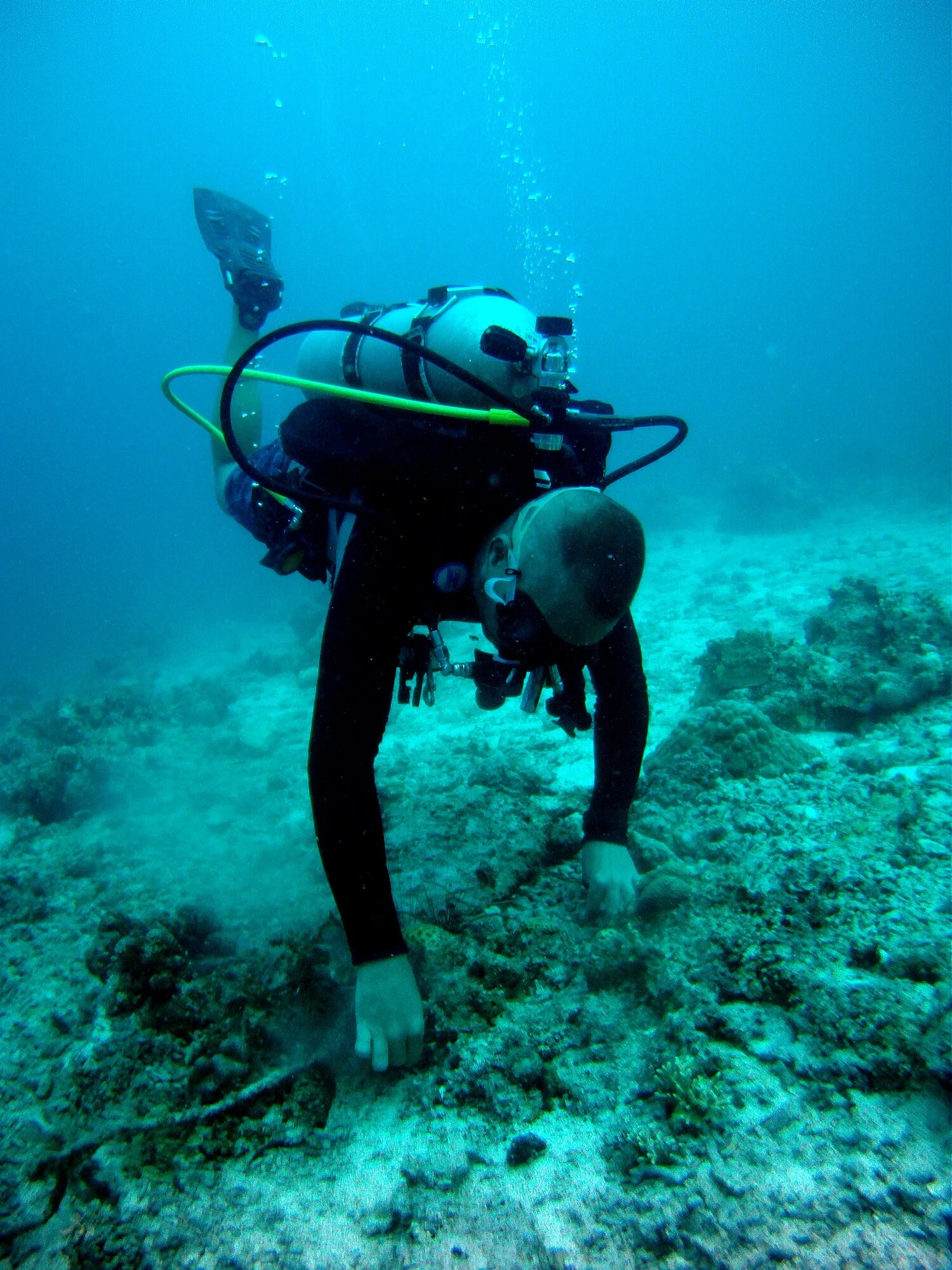
The upside? Lowest prices of the year, virtually no crowds, and the usual excellent marine life. Nutrient-rich water from the rains brings in more plankton, which attracts more fish, which occasionally attracts bigger visitors. Some of our most memorable whale shark sightings have been during this period – but these are very occasional, so don’t come expecting to see them.
What the Cebu typhoon record actually shows
Looking at the last 26 years (2000 to 2025), Cebu has been directly hit by typhoons in just six years. Notably, none of those direct hits happened in July, August or September. They clustered around late season (November to December) or unusual shoulder-season events (January, April).
In other words, the wettest months are not the riskiest months for typhoons in Cebu. Wet season brings rain. Direct typhoon damage is rare and tends to come at the bookends of the year, but there is really no consistent pattern.
| Year | Storm | Month | Cebu impact |
|---|---|---|---|
| 2013 | Haiyan (Yolanda) | November | Major direct hit (Daanbantayan landfall, devastated Bantayan and northern Cebu including Malapascua) |
| 2014 | Kajiki (Basyang) | January | Minor: a few landslides |
| 2017 | Crising (TD) | April | Heavy rain |
| 2021 | Rai (Odette) | December | Major direct hit to Cebu City |
| 2022 | Megi (Agaton) | April | Flooding, landslides |
| 2025 | Kalmaegi (Tino) | November | Major direct hit (Borbon, north Cebu) |
Source: PAGASA annual cyclone tracks and Wikipedia’s List of Philippine Typhoons (2000 to present). 20 of the 26 years saw zero direct typhoon impact on Cebu.
SO WHAT DO WE RECOMMEND?
If it’s your first time and you want the safest bet for great conditions: March to May. If you’re flexible and want value and fewer crowds: June or September. If you’re a seasoned diver who doesn’t mind a bit of weather and loves having dive sites to yourself: July to October.
The one thing we’d say with total confidence: don’t overthink it. Don’t delay your Malapascua trip for years trying to find the perfect window, as the thresher sharks are at Kimud every morning, doing their thing, completely indifferent to your planning anxiety.
Just book it. Head to thresher-shark-divers.com for current packages and availability.
Best Time to Dive FAQs

About Andrea Agarwal
Andrea Agarwal is a PADI Master Instructor and the founder of Thresher Shark Divers on Malapascua Island, Philippines. Originally from the UK, she moved to the Philippines in 2003 and built what is now one of the largest and most respected dive operations in the country. TSD is a PADI 5-Star Career Development Center (CDC) and the only PADI TecRec facility on Malapascua. Malapascua is the world's best destination for daily thresher shark encounters, and Andrea has spent over 20 years diving its waters and making sure the world knows it.
Latest articles

October 15, 2026
September 28, 2026
September 15, 2026