

What a Day at a Malapascua Dive Shop Actually Looks Like
October 15, 2026
People often imagine dive shop life as perpetual holiday. Wake up, dive, have a beer, dive again, sunset, repeat. The reality is more complicated, more tiring, and honestly more rewarding than the fantasy version. Here’s what a typical day at Thresher Shark Divers actually looks like.
4:30 AM — The Alarm Nobody Enjoys
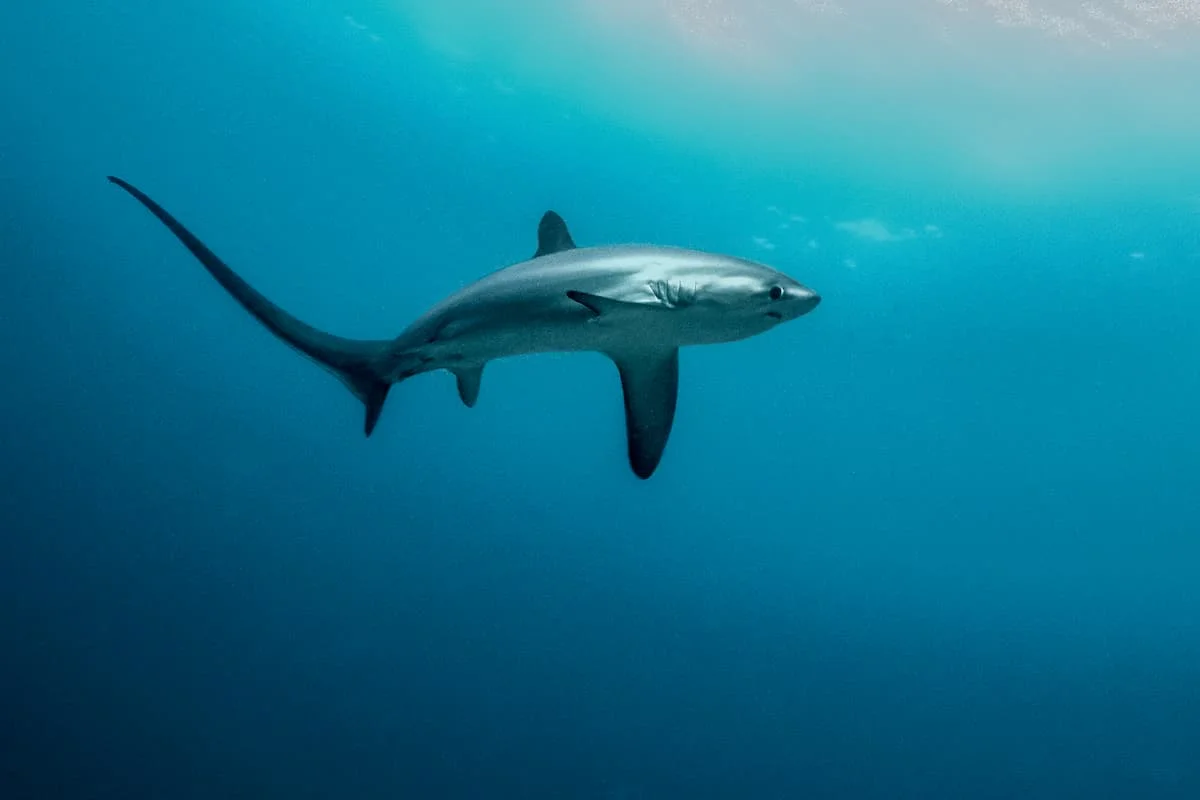
The day starts in the dark. Thresher shark dives at Kimud Shoal require boats to leave by 5:00-5:15 AM to reach the site at dawn, which is when the sharks come to the cleaning station. The dive team — guides, instructors, and boat crew — assembles at the shop while the island is still asleep. Equipment gets loaded onto the bangka boats. Torches light the beach as divers shuffle down to the water line, clutching coffee cups and trying to find their enthusiasm.
The boat ride out takes about 25 minutes. By the time you reach Kimud Shoal, the eastern horizon is turning pink. As the first divers drop in, the sun breaks the water line. Even after hundreds of these mornings, it never stops being beautiful.
7:00 AM — Breakfast and Briefings
Back from the shark dive, the mood at the shop is buzzing. Divers compare stories over breakfast — who saw how many sharks, who got the best photos, who accidentally kicked their buddy’s camera. The dive guides grab food quickly because the morning briefings for the day’s schedule are about to start.
The operations team coordinates the day’s activities: which boats go where, which instructors take which students, which sites are best given the current weather and tidal conditions. It’s a logistics puzzle that changes daily based on conditions, bookings, and what the ocean is doing.
9:00 AM — The Second Wave
The morning dive boats head out for the day’s main diving. Fun divers go to sites like Gato Island, Kalanggaman, or the local reefs depending on their experience level and interests. Students continue their course work — some in the pool for confined water skills, others on the reef for open water training dives.
Back at the shop, the equipment team is already cleaning and maintaining gear from the shark dive. Regulators get rinsed in fresh water. Wetsuits hang in the sun. Cylinders go back on the compressor for refills. Dive equipment takes a beating in saltwater, and maintaining it properly is a daily commitment that never lets up.
12:00 PM — Midday Calm
Lunchtime is the quiet window. The morning dive boats return, and there’s usually a gap before afternoon activities. The dive team eats, reviews the morning’s teaching sessions, and preps for the afternoon. This is also when the admin happens — certification paperwork, schedule planning for the next day, equipment orders, responding to booking enquiries from people planning trips weeks or months ahead.
Running a dive operation involves way more paperwork than anyone expects. Certification standards, safety logs, equipment maintenance records, business permits, marine park fees — there’s a bureaucratic iceberg under every fun dive.
2:00 PM — Afternoon Dives and Courses
The afternoon shift focuses on continuing education and specialty dives. Students working through their Advanced Open Water might do a deep dive or navigation exercise. Rescue Diver candidates practice scenarios. Divemaster trainees shadow instructors and lead guided dives under supervision.
For fun divers, the afternoon is often muck diving time — the island’s house reef and nearby sandy sites are perfect for macro photography and critter hunting. Mandarin fish dives happen just before sunset, so the guides who run those are prepping their briefings and checking conditions.
5:00 PM — Golden Hour
The last boats come in as the sun drops. Equipment gets broken down, cleaned, and stored for the night. Log books are filled in. The day’s photos get shared on the shop’s screens, and there’s usually a cluster of divers reviewing their GoPro footage and arguing about whether that was a pygmy seahorse or a bit of coral.
The instructors who ran the mandarin fish sunset dive straggle in last, usually grinning. When the mandarin fish are performing, that dive is pure magic.
7:00 PM — Debrief and Dinner
By evening, the team is tired. The day started 14 hours ago in the dark, and the saltwater fatigue is real. Dinner at one of the island’s restaurants is social and loud. Divers, instructors, and boat crew mix freely. Stories from the day get embellished. Plans for tomorrow get debated.
There’s a particular camaraderie that develops in dive shop life. You work physically hard, you share intense experiences underwater, and you live on a tiny island where everyone knows everyone. It’s not for everybody. But for the people who thrive on it, there’s nothing else quite like it.
9:00 PM — Lights Out (Usually)
That 4:30 AM alarm comes fast, and most of the team is in bed early. Occasionally someone discovers a second wind and the beach bar extends the night. But the ocean doesn’t care about your hangover, and the thresher sharks are punctual even when you’re not. Early nights become a survival strategy pretty quickly.
And then the alarm goes off again, and you do it all over. Sounds exhausting? It is. Sounds like a dream job? It’s that too. Come see for yourself.

About Andrea Agarwal
Andrea Agarwal is a PADI Master Instructor and the founder of Thresher Shark Divers on Malapascua Island, Philippines. Originally from the UK, she moved to the Philippines in 2003 and built what is now one of the largest and most respected dive operations in the country. TSD is a PADI 5-Star Career Development Center (CDC) and the only PADI TecRec facility on Malapascua. Malapascua is the world's best destination for daily thresher shark encounters, and Andrea has spent over 20 years diving its waters and making sure the world knows it.
Latest articles

October 15, 2026
September 28, 2026
September 15, 2026