
Where Shall I Go for My Next Dive Vacation?
September 28, 2026
By Andrea Agarwal, founder and owner of Thresher Shark Divers, a PADI 5-Star centre on Malapascua Island since 2004. She has logged thousands of dives on the island. Last updated 28 September 2026.
For most divers who want big animals, macro life, walls and wrecks in one trip, year round and at a reasonable price, my answer is the Philippines, and specifically Malapascua Island in northern Cebu. It is an incredibly diverse location, where sharks, coral walls, wrecks and world-class muck diving all sit within a short boat ride of one small island, year round. Here is why, and how it compares with the other big names, both in the Philippines and around the world.
What should I look for in a dive holiday?
You might have all kinds of considerations when choosing your next dive trip. You surely want to see big stuff, and you surely want to see small stuff, and you surely want beautiful reefs. And surely white-sand beaches, stunning sunsets and friendly locals help too?
Maybe you want to max out your underwater time with four or five dives a day, but is that even possible year round, or are you fighting a season, strict booking dates like on a liveaboard, or weather windows?
And then there’s cost and logistics. Some people want the cheapest possible trip; some want more luxury. Some don’t mind flying for two days and taking three boats to get there; some want ease of access above everything else. But outside the liveaboards and super-luxury resorts, you will get great value on almost any dive trip in the Philippines.
Experience level matters too: whether it’s a good place to learn, or a place that only makes sense once you’re already a confident diver. And whether you want a big, adrenaline animal encounter or a “find tiny weird things for an hour” kind of dive.
How I chose Malapascua
My name is Andrea, and I founded and still own and run Thresher Shark Divers on Malapascua. So you might be thinking, “Well, of course she’s going to recommend Malapascua!”
Yes, that is true. But why did I open a business on Malapascua in the first place? That is the most important question!
After considering countries all around the world, I arrived in the Philippines in 2003. At the time it was the best-kept secret in diving, known only to hardcore divers. I dived my way around the country, then settled on Malapascua and opened Thresher Shark Divers there in 2004.
As I’ve always said, “Malapascua has it all.” Big stuff and small stuff, reef and wrecks, wall dives and muck dives. It has something for every diver. I fell in love with the beautiful island and its kind, generous people first, then the thresher sharks. Third, and most importantly, I knew the diving would never get boring for me. I would be diving there almost every day, and I had worked as an instructor in several countries before where the reefs did get boring after just a few weeks. I knew Malapascua would not be like that. And it didn’t disappoint: thousands of dives later, I still see new creatures underwater.
Part of that comes down to where the island sits, at the northern tip of Cebu in the Visayan Sea, with open water and channels running off it in several directions. In many dive destinations you’re essentially diving different stretches of the same reef, with much the same marine life each time. Malapascua isn’t like that. You go out in different directions to entirely different shoals, islands and reefs, each one its own ecosystem, because each one sits in different water, facing a different way.
Is the Philippines good for a dive holiday?
Yes. The Philippines sits inside the Coral Triangle, the patch of ocean between the Philippines, Indonesia, Malaysia and Papua New Guinea that is sometimes called the Amazon of the seas, because it has more species of coral and reef fish than anywhere else on the planet. Marine scientists have gone further and called the central Philippines the “centre of the centre” of that diversity. That’s why marine biologists study this region, and why serious divers end up here eventually.
And it isn’t only what’s underwater. The Philippines is one of the easiest countries in Asia to travel around: English is widely spoken, so ordering food, arranging a boat or asking for directions is simple, and there are good international flight connections into both Manila and Cebu. Then there are the people. Filipinos are some of the warmest, most welcoming people you will meet anywhere, and that hospitality is a big part of why so many divers keep coming back, myself included.
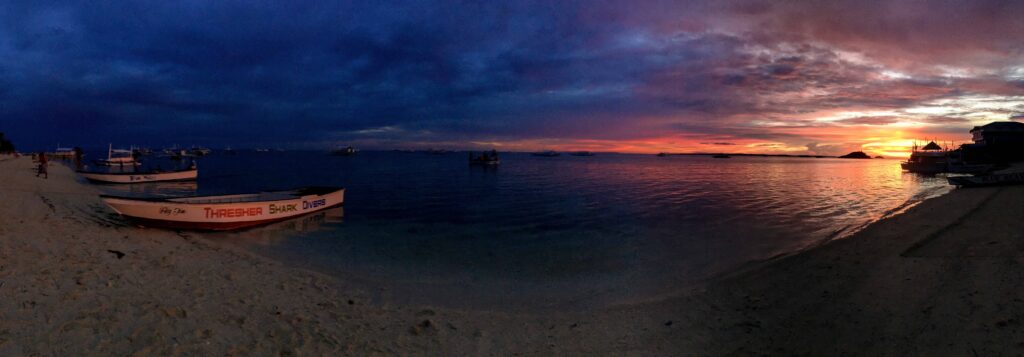
But the Philippines has over 7,000 islands, and diving here varies enormously from one coast to the next. So the real question isn’t “is the Philippines good for diving” (it is), it’s “which part of it should I actually go to?” That’s where I can give you a real answer, because I went and found out myself.
Where in the Philippines should I dive first?
I always say Malapascua is the best first stop on a Philippines dive trip. It gives you a real taste of what the country has to offer, and depending on what you enjoy most while you are here, you can then plan your next Philippines destination.
Malapascua is known for its thresher sharks, yes. But there’s a lot more to it than that.
What diving is there at Malapascua?
This is the part most “best of the Philippines” lists get wrong. They mention Malapascua for thresher sharks and stop there, as if it’s a one-species island. It isn’t. In one small area you get:
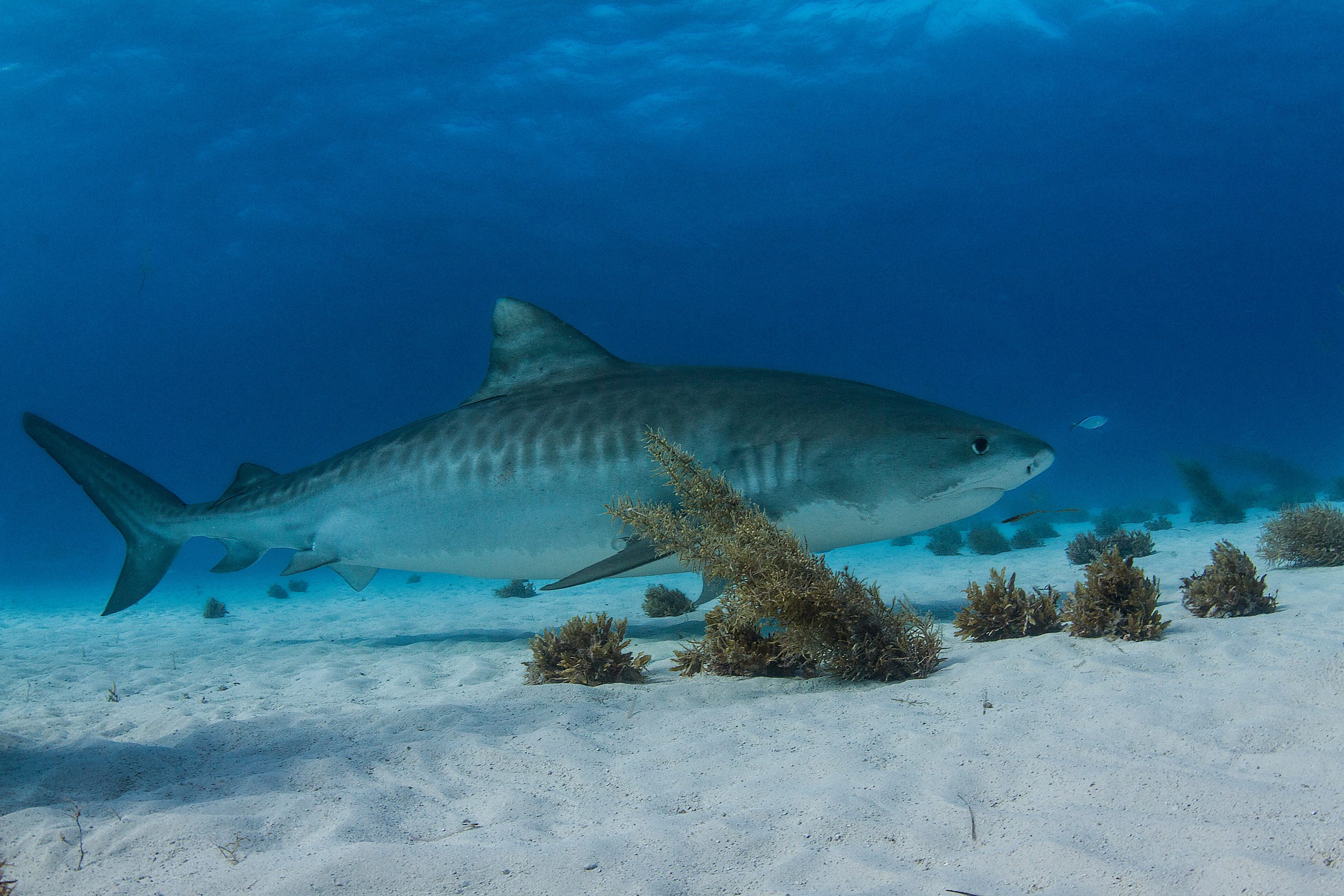
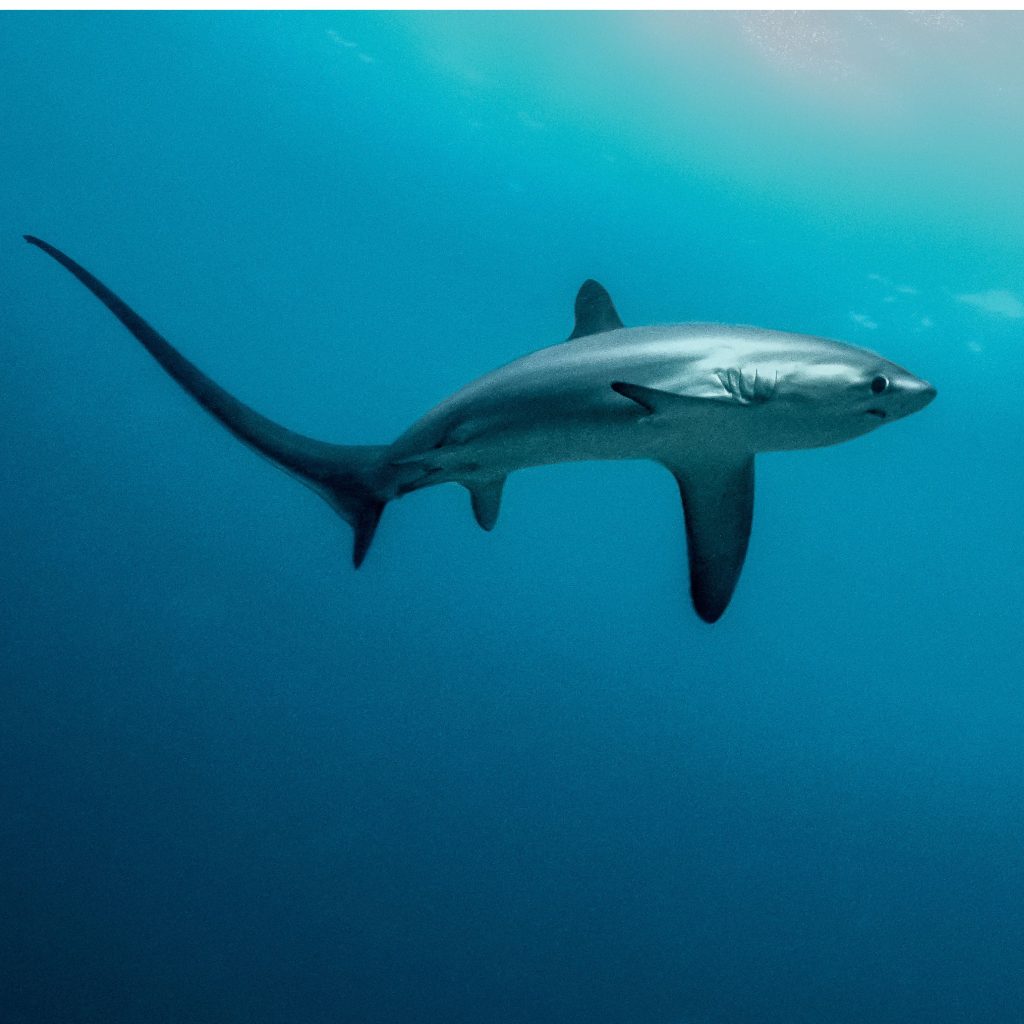
Thresher sharks, almost every day. Kimud Shoal is a cleaning station where thresher sharks turn up year round, not seasonally and not just on a lucky week. Our sighting rate is about 99%. Thresher Shark Divers has been running thresher dives since 2004, and they are still the reason most people first hear about this island. If you want the science, here is what we know about the thresher sharks of Kimud Shoal. You can also read why the thresher sharks moved to Kimud Shoal in 2022.
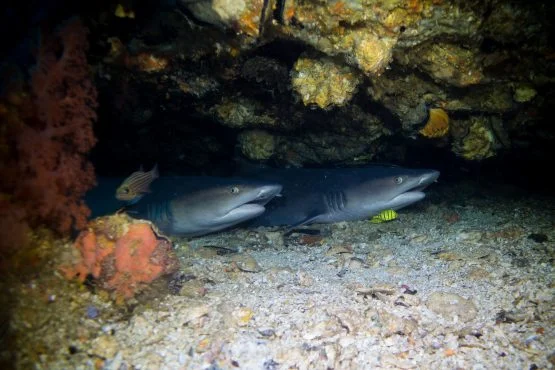
Wall diving and reef sharks at Gato Island. Whitetip sharks, banded sea snakes, seahorses, nudibranchs, frogfish and small cave systems. The line I came up with when I first arrived, and we still use today, is: “you come to Malapascua for the thresher sharks, but you leave remembering Gato.” Whitetips are just one of the shark species around Malapascua.
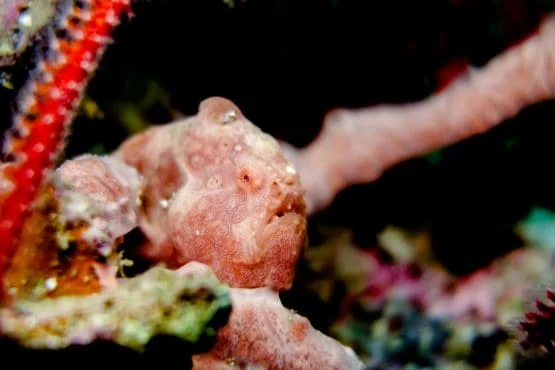
Some of the best muck diving in the Philippines. Sites like Deep Rock and Lapus Lapus are stacked with frogfish, mantis shrimp, seahorses, mimic octopus and nudibranchs. This is the kind of diving Anilao and Lembeh are famous for, and Malapascua holds its own against both. More in our muck diving guide.
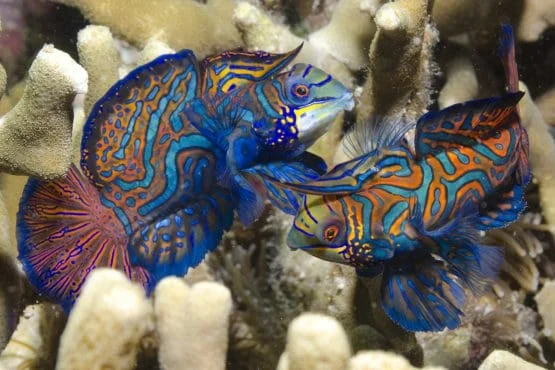
A mating mandarinfish dive most nights. The Lighthouse and House Reef sites are two of the most reliable places in the country to watch mandarinfish mate at dusk, arguably the most photogenic fish in the ocean. Read more about the mandarinfish dive.
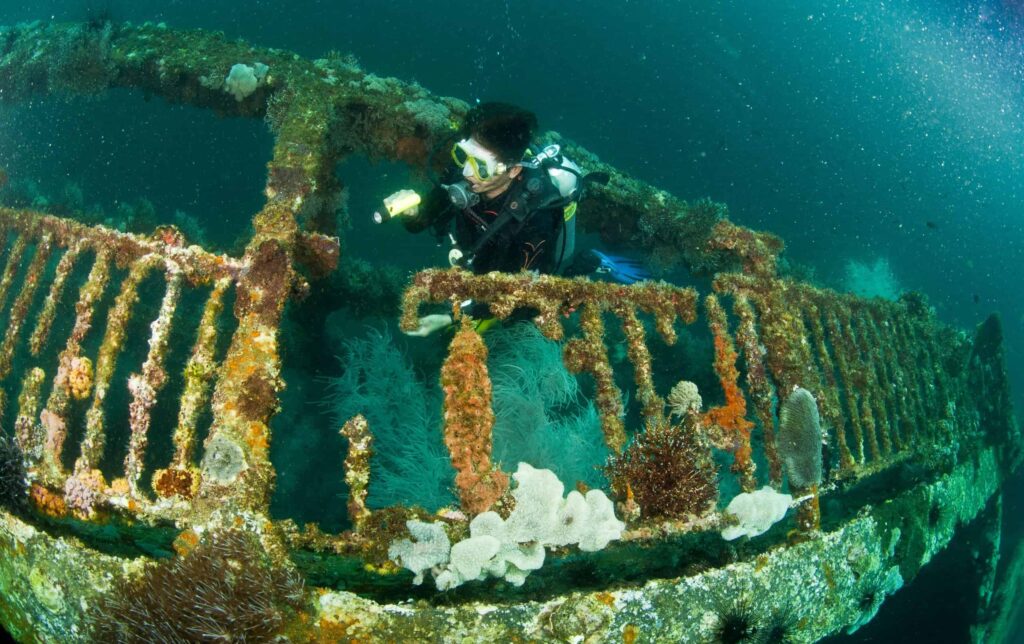
Wrecks. Several Second World War wrecks sit within range of the island, from a shallow Japanese landing craft at 5 metres to a deep, current-swept wreck at over 40 metres for the more experienced. There is also the Doña Marilyn, a 100-metre passenger ferry that sank in Typhoon Unsang in October 1988 and now lies at 18 to 32 metres. See all of Malapascua’s wrecks.
And there is so much more; we haven’t even mentioned the other walls and pinnacles. More than 20 named dive sites sit within a short boat ride of the island, and that is the real reason Malapascua works as a full dive holiday rather than a single-species pilgrimage. See the full dive site list.
How much does a Malapascua package cost?
A package with an AC room, breakfast and a full day’s diving starts from around $120 per person per day. We build packages for each person individually, but here are some of our more popular dive packages available to book online now. You can also see our current dive prices, or read what a dive week costs.
How does Malapascua compare with other Philippine dive destinations?
Here are the other Philippines highlights. I have over 20 years’ experience designing multi-destination trips through our sister company, Philippines Dive and Travel, so we can advise on and book your complete Philippines dive holiday. For a wider round-up, see the best places to dive in the Philippines.
Tubbataha Reef has some of the healthiest coral and the most sharks per dive of anywhere in the country. But it’s liveaboard only, the season runs for just a few months in the middle of the year, and it costs accordingly: from around $400 a night (2026 prices), with a minimum of five nights. If it is on your list, we can help with Tubbataha liveaboard trips. Malapascua you can dive on a normal day trip, year round, from a land base, for a fraction of the price.
Moalboal is famous for its sardine run, a spectacular sight, and for turtles on the house reef. It’s a fantastic single experience, but it isn’t built around the same range of sites Malapascua has. It’s a great place to add on after Malapascua. More in Malapascua vs Moalboal.
Anilao is the country’s other great muck diving destination, and macro photographers rate it very highly. What it doesn’t have is a big, reliable pelagic encounter like the thresher sharks at Kimud, or wall diving on the same scale as Gato.
Coron is the wreck diving capital of the Philippines, with a cluster of sunken Japanese warships from the Second World War. It’s a specialist trip. If wrecks are the whole reason you’re going, choose Coron; if you want wrecks as one part of a bigger week, Malapascua has them too.
Puerto Galera and Dumaguete/Apo Island both offer strong macro and turtle diving with easy access from Manila or Cebu. Good all-rounders, but again, without a daily big-animal encounter.
Bohol and Sogod (Southern Leyte) are two of the country’s best-value all-rounders. Panglao, off Bohol, has healthy walls, turtles and small pelagics around Balicasag; Anda in Bohol has stunning macro; and Sogod Bay is one of the few places with a real chance of a whale shark encounter without Donsol’s crowds. Good diving, but neither is built around one big, reliable animal encounter the way Malapascua is. More in Malapascua vs Bohol.
Donsol and Ticao Island, both in Sorsogon, are also about big-animal encounters: whale shark snorkelling at Donsol in season, and the Manta Bowl cleaning station off Ticao for divers, which attracts oceanic mantas as well as whale sharks. Both are special, but they’re seasonal, and Donsol is snorkelling rather than diving. Malapascua’s thresher sharks are there year round, as a scuba dive.
Romblon has become the newer name in Philippine macro diving, spoken about in the same breath as Anilao and Dauin over the last few years. It’s quieter and less developed than either, with a similar mix of critters and muck sites, but it doesn’t have a signature big-animal encounter of its own, and it’s a longer, more involved trip to get to than Malapascua.
So which one?
If you only want one of the types of diving above, one of those places may suit you better. If you want thresher sharks, walls, wrecks and macro all in the same trip without island-hopping, Malapascua is the one that was built for that, almost by accident of geology and current.
How does the Philippines compare with the Red Sea, Raja Ampat, the Maldives, Palau and the Galápagos?
If you are weighing up the whole world rather than just the Philippines, these are the names that usually come up. All of them are wonderful. Here is how they compare on the things that tend to decide a trip: cost, season, how easy they are to reach, and how much variety you get. If sharks are your priority, see the world’s best shark dives, ranked.
The Red Sea (Egypt) is famous for colourful hard and soft corals, wrecks like the SS Thistlegorm, and oceanic whitetip sharks at the offshore reefs in autumn. It is close and inexpensive for European divers, with both resorts and liveaboards. The water is noticeably cooler in winter, and the big shark dives are mostly liveaboard trips.
Raja Ampat (Indonesia) probably has the richest reefs on the planet, with enormous fish life and mantas. But it is remote, usually takes several flights to reach, and is mostly dived by liveaboard, so it costs a great deal more. The best conditions run roughly October to April.
The Maldives offers mantas, whale sharks and reef sharks in clear water, mostly by liveaboard or from expensive island resorts. It is wonderful for big animals and channel dives, much less so for macro, and it is one of the priciest places in the world to dive.
Palau has Blue Corner and German Channel, world-famous for sharks and mantas in strong currents. It is expensive, a long way from most places, and best suited to experienced divers who are comfortable in current.
The Galápagos (Ecuador) is known for schooling hammerheads and, in season, whale sharks at Darwin and Wolf islands. It is a bucket-list trip for experienced divers only, by liveaboard, in cold water with strong currents, at a very high price.
The Philippines, and Malapascua in particular, is different. You get world-class big-animal diving and world-class macro in the same trip, land-based, for a fraction of the cost, and it suits everyone from brand-new divers to instructors. If you keep a lifetime list of dives, thresher sharks at Kimud are the easiest big shark encounter on it to tick off, and you can do it any month of the year.
Dive destinations compared at a glance
| Destination | Signature dive | Best season | Liveaboard or land-based | Rough cost | Best for |
|---|---|---|---|---|---|
| Malapascua, Philippines | Thresher sharks at Kimud Shoal, plus walls, wrecks and muck | Year round (best weather March to May) | Land-based | Low to moderate | All levels; divers who want variety in one trip |
| Tubbataha, Philippines | Remote, healthy reefs with lots of sharks | Mid-March to mid-June | Liveaboard only | High | Experienced divers |
| Moalboal, Philippines | Sardine run and turtles | Year round | Land-based | Low | All levels; a good add-on after Malapascua |
| Anilao, Philippines | Macro and muck diving | Year round | Land-based | Moderate | Macro photographers |
| Coron, Philippines | Second World War Japanese shipwrecks | Year round | Land-based or liveaboard | Low to moderate | Wreck divers |
| Red Sea, Egypt | Colourful corals, wrecks, oceanic whitetips offshore | Year round (cooler water in winter) | Both | Low to moderate from Europe | European divers wanting a short flight |
| Raja Ampat, Indonesia | The richest reefs on the planet, mantas | Roughly October to April | Mostly liveaboard | High | Experienced divers with time and budget |
| Maldives | Mantas, whale sharks and reef sharks | Roughly December to April | Liveaboard or island resort | High | Big animals in clear water |
| Palau | Sharks and mantas in strong current | Year round | Liveaboard or land-based | High | Experienced divers comfortable in current |
| Galápagos, Ecuador | Schooling hammerheads and whale sharks | Varies; whale sharks roughly June to November | Liveaboard | Very high | Very experienced divers |
Who is Malapascua not right for?
It’s a small island with a laid-back, low-key feel rather than a glossy five-star resort strip. If what you want is a big beach resort with a swim-up bar and a party every night, this isn’t that island; El Nido or Boracay will suit you better. Malapascua is for people who come for the diving first and everything else second. Don’t get me wrong, it does have a couple of excellent higher-end resorts. The boutique Blanco Resort, for example, has really nice deluxe sea-view rooms from around $130 a night (2026 prices), which is incredible value for what they offer. But the tiny island’s infrastructure is not built for high-end luxury.
And if you want to step off your flight and straight into the water, Malapascua isn’t that either. However, few top-class dive destinations offer that: easy access and stunning reefs rarely go together.
What do I need to know before booking a Malapascua dive trip?
- Best time to dive: March to May has the best weather, and January to June is usually great, but thresher sharks are seen at Kimud Shoal year round. The full month-by-month breakdown, including typhoon risk, is here: Best time to dive Malapascua
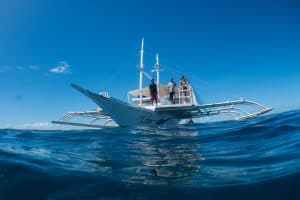
- Getting there: via Cebu, by road and then a short banca crossing. We can arrange everything for you from airport pickup to drop-off, including other destinations if you like. Full directions here: How to get to Malapascua
- Full dive site list: Malapascua dive sites
- More on the thresher sharks: Thresher sharks at Malapascua
- Everything in one place: the complete guide to diving Malapascua
Frequently asked questions
Where should I go for my next dive holiday?
If you want big animals, macro life, walls and wrecks in one trip, year round and at a reasonable price, go to the Philippines, and start with Malapascua Island in northern Cebu. It has thresher sharks at Kimud Shoal on about 99% of dives, plus reef, wall, wreck and muck diving within a short boat ride.
Is the Philippines good for a dive holiday?
Yes. The Philippines sits in the Coral Triangle, which has more species of coral and reef fish than anywhere else on earth. It is also easy to travel around, English is widely spoken, and the diving is good value. With over 7,000 islands, the real question is which part to visit first.
Where is the best place to dive in the Philippines?
It depends on what you are after. For divers who want one destination that covers the most ground, with big sharks, walls, wrecks and macro life, Malapascua Island in northern Cebu is the place most experienced divers who have dived across the country point to.
What makes Malapascua different from other Philippine dive destinations?
Its variety. Everything sits within a short banca ride of the island: thresher sharks at Kimud Shoal on about 99% of dives, wall diving at Gato Island, wrecks, and muck diving rated alongside Anilao and Lembeh. Most single destinations in the Philippines specialise in one of those, not all of them.
Is Malapascua good for beginners as well as experienced divers?
Yes. Thresher Shark Divers has run PADI courses here since 2004, from Open Water through to instructor level and technical diving. The local sites range from easy, shallow reefs to deeper wrecks and current-affected dives for the more experienced, so beginners and experienced divers can share the same trip.
When is the best time to dive Malapascua?
Thresher sharks are seen at Kimud Shoal every month of the year, and we dive almost every day. March to May has the best weather, and January to June is usually great. In the rainy season it usually rains a little in the evening, with calm seas during the day. Full month-by-month breakdown: malapascua-diving.com/best-time-to-dive-malapascua
How do I get to Malapascua from Cebu?
Fly into Cebu, travel by road to the northern tip of the island, then take a short banca (outrigger boat) crossing to Malapascua. Thresher Shark Divers can arrange the whole trip for you, from airport pickup to drop-off, including onward travel to other Philippine destinations if you want it. Step-by-step directions: malapascua-diving.com/how-to-get-to-malapascua
How does the Philippines compare with the Red Sea or the Maldives?
The Philippines has more marine species than either, and much of its best diving is land-based and good value. The Red Sea is closer and cheaper for European divers, with cooler water in winter. The Maldives is excellent for mantas and sharks but costs far more and has less macro life.
How much does a Malapascua dive package cost?
A package with an air-conditioned room, breakfast and a full day’s diving starts from around $120 per person per day. We build packages for each person individually, and our most popular dive and resort packages can be booked online at thresher-shark-divers.com.
How do I book?
Thresher Shark Divers has been on Malapascua since 2004. We are a PADI 5-Star centre and owner-led, and you can read what our guests say about us on Google and TripAdvisor before you book.
WhatsApp bookings: +63 926 465 7374
Shop office: +63 917 795 9433
Download the app
If you want a taste of all this before you book, download Masters of Diving, the app we built because there wasn’t a real place online for divers to share what they’re actually seeing underwater. Log your dives, post your encounters, and see what’s happening on the reefs and shoals you’re planning to visit, from people who were just there, not from a stock photo on someone’s website. At the time of writing, the app has over 1,000 creatures with ID photos, and more than 7,000 individual dive sites across 500+ dive destinations.
And you can log your Malapascua dives in detail, get them signed off by your TSD divemasters, and earn prizes the more you log and see!

About Andrea Agarwal
Andrea Agarwal is a PADI Master Instructor and the founder of Thresher Shark Divers on Malapascua Island, Philippines. Originally from the UK, she moved to the Philippines in 2003 and built what is now one of the largest and most respected dive operations in the country. TSD is a PADI 5-Star Career Development Center (CDC) and the only PADI TecRec facility on Malapascua. Malapascua is the world's best destination for daily thresher shark encounters, and Andrea has spent over 20 years diving its waters and making sure the world knows it.
Latest articles
September 28, 2026
September 15, 2026